
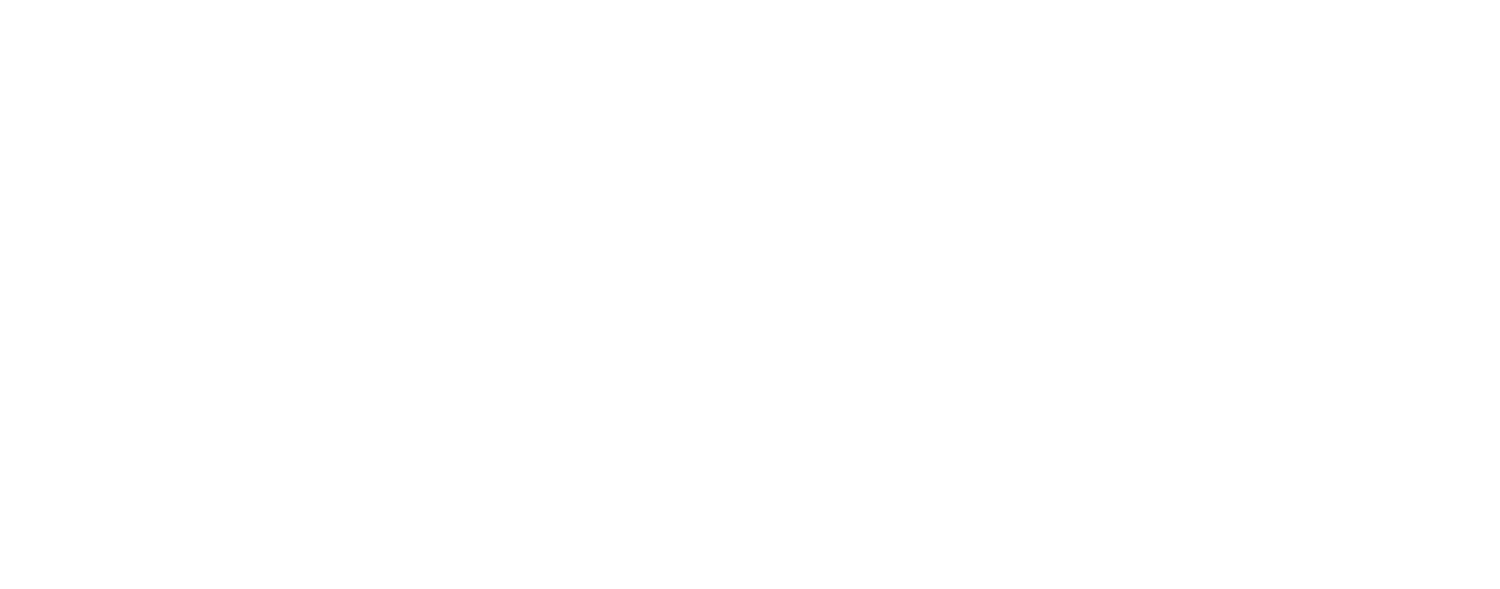

The Difference Between Talk Therapy and Somatic Therapy
Maybe you've done therapy before. Maybe you've done a lot of it. You've understood your patterns, traced them back to where they came from. You know why you do what you do. And you're still stuck.
If that sounds familiar, you haven't failed therapy. You may have just hit its ceiling.
Talk therapy is powerful — but insight is a map, and knowing the map is not the same as being able to move. Your nervous system doesn't speak the language of logic. It speaks the language of sensation. And that's exactly where somatic therapy works.

Therapy for Creative Professionals in NYC:
A ceramics class was split into two groups — one graded on quantity, one on perfection. At the end of the semester, the quantity group had made more work and better work. The quality group? Many didn't finish. Some turned nothing in at all.
Perfectionism doesn't just diminish creative work. It stops it entirely. And after 20 years as a therapist working with creative professionals, I can tell you: that paralysis isn't a discipline problem or a thinking problem. It's a nervous system problem. And that distinction changes everything about how to address it.

How Perfectionism Lives in Your Nervous System
Perfectionism isn't about being detail-oriented or having high standards. It's a survival strategy — and once you understand what it's doing to your nervous system, the exhaustion finally makes sense.
For many perfectionists, the body is running a chronic threat response: always braced, always vigilant, never quite able to settle. The internal signal that says that's enough, you can stop never makes it through. And when something goes wrong — or feels like it has — the system doesn't just activate. It can collapse entirely.
This is perfectionism as a nervous system pattern. And thinking your way out of it has limits.
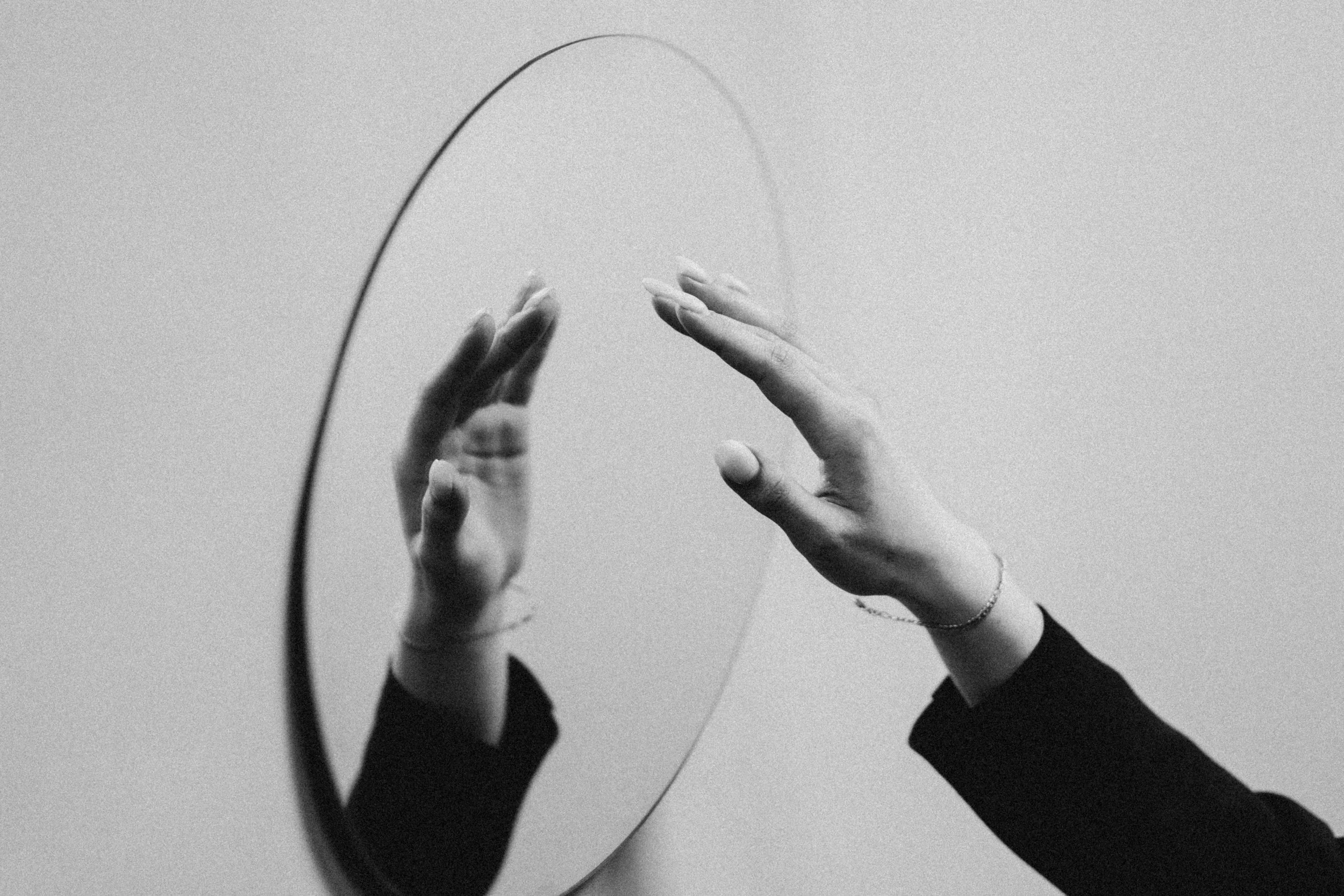
AI, Therapy Influencers, and the Death of the Blank Screen
I would have whole supervision sessions in grad school painstakingly going over my verbatim process recordings, highlighting any personal disclosure that might have affected — infected? — the work. Now, before a client ever enters the room, they can read about their therapist's divorce, their sobriety, their spiritual awakening. The blank screen has been replaced by a curated feed.

March Newsletter
When I was 14, a friend read my writing and told me it wasn't particularly interesting, entertaining, or well written. That was the end of my editorial career — for nearly 30 years.
The thing is, I didn't remember where the belief came from. I just stated it as fact: I'm not a good writer. It wasn't a thought I was having. It was a route my body already knew.
This is why insight alone so rarely creates change. We can know something is a limiting belief and still feel it as truth. The body needs to experience a new possibility — to sense that it's safe — before it will let us act differently. Cognition follows sensation, not the other way around.
So: think of something you've told yourself you can't do. Don't just think it — locate it. Where do you feel that certainty in your body?
Now ask yourself: is that a fact, or is it a very old feeling?

February Newsletter

The Art of Repair:
Years ago, my friend's hurt feelings would have sent me into a shame spiral. I would have become defensive, argumentative, withdrawn. What changed wasn't that I became a better person, it was that I developed affect tolerance: the capacity to hold two truths at once. She was hurt, AND I hadn't intended harm.

When Someone You Love Says You Hurt Them:
When someone we love tells us we hurt them, our nervous system often reacts with shame and defensiveness before our rational brain can catch up. This visceral response isn't a character flaw; it's neurobiology. Understanding what happens in our bodies during relationship ruptures is the first step toward repair.

What Is Creative Arts Therapy?
I didn't know it then, but I was already doing something like therapy. As a kid who grew up without a lot, that box of Crayola crayons was everything — pure possibility in perfect rows. Art has always been my escape, my mood shifter, my comforter. It's why I became a creative arts therapist. I understood the power of it intuitively. The science came later.
What I know now is that for some people, creative arts therapy isn't just helpful — it's necessary. When trauma lives in the body and outside of language, talking about it has a ceiling. Creative arts therapy works differently. It works with the whole person.
The Art of Sucking at Things. Learning to Have Compassion No Matter What.
Recently, a podcast guest said something that stuck with me: "Sucking really sucks. But what's the alternative? Never trying anything?" This hit home because I've been in a season of aggressive growth, running a marathon, expanding my practice, writing, and teaching, and I wasn't great at all of it. In fact, some of it I was objectively bad at. But here's what research shows: the most successful people don't fail less; they just try more. Organizational psychologist Adam Grant found that prolific innovators simply produce more work, which means more failures in absolute terms. The difference? They're comfortable being wrong, getting feedback, and trying again. Whether you're learning to set boundaries, run a business, or master a new skill, you have to be willing to suck at it first. Because the alternative, staying exactly where you are, is its own kind of failure.

Should You Cut Off Contact With Your Parents?

Why Do I Keep Ending Up in Unhealthy Relationships?
Most people know their attachment style by now: anxious, avoidant, or disorganized. But knowing doesn't heal the pattern. Through clinical examples and attachment research, this post explores why you keep repeating relationship dynamics and what actually creates change: a reparative relational experience in therapy.

January Newsletter

Paris, Art, and Sublimation

The Hidden Ceiling: How We Sabotage When Life Gets Good.
Are you upper-limiting without realizing it? Drawing on The Big Leap by Gay Hendricks, this article explains the Upper Limit Problem, why we sometimes get sick or start fights right after a success, and how therapy helps you create more capacity for love, success, and ease.

November Newsletter
After reading The Big Leap, I got the flu and wondered: upper limit or just life? Probably both. We can’t control viruses or holidays that stir up grief, but we can work the part that’s ours: notice old rules, ask for support, and expand capacity for good. This post unpacks the Upper Limit Problem and a practical both/and lens for therapy and daily life.

Why Does Therapy Take So Long?
How long does therapy take? Learn the 4 phases most people move through (safety, insight, compassion, choice) and why some clients return to therapy at different life stages.

Welcome To Our New Home

I hired a business coach. Then I did two years of therapy.